Fear less. Live more.
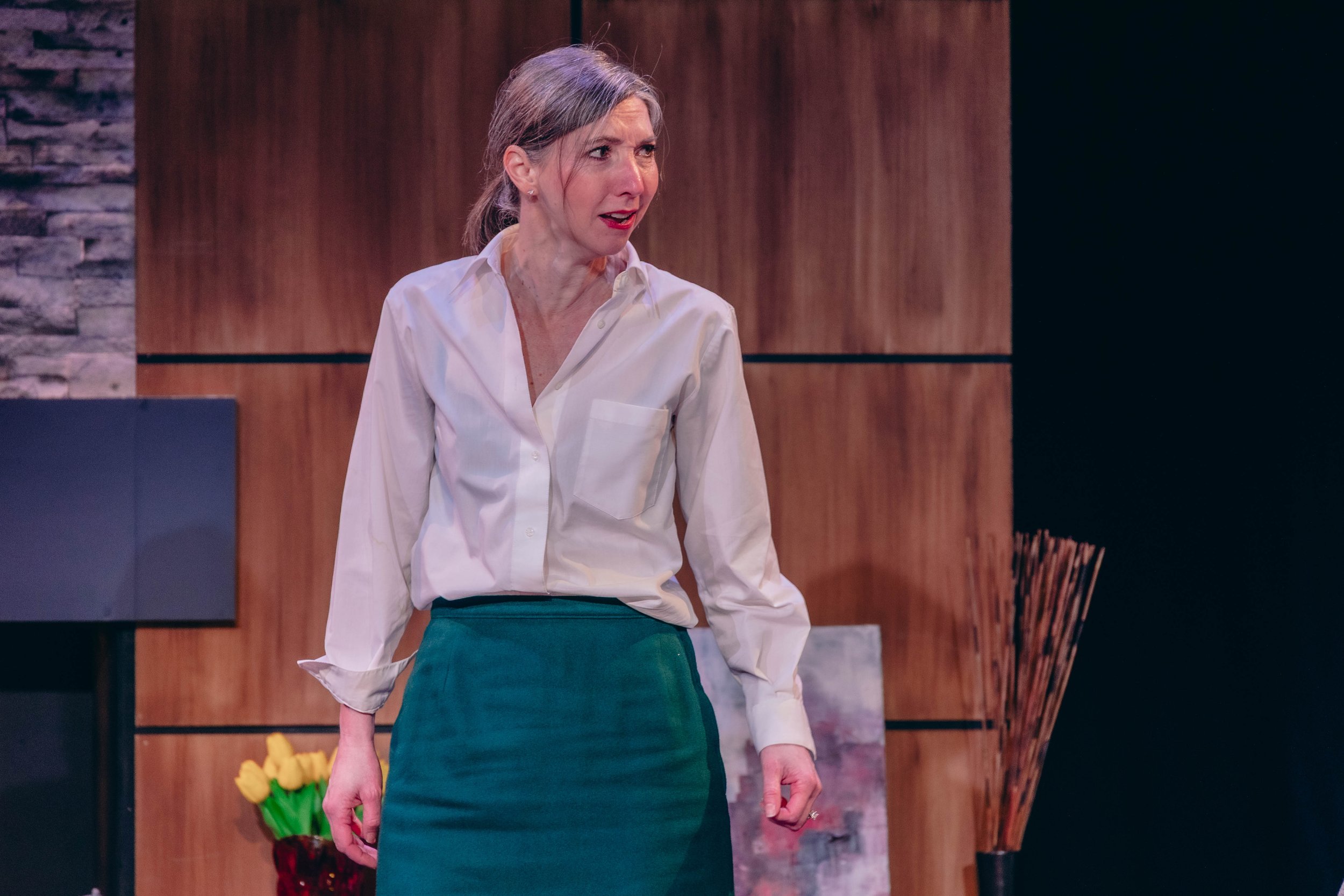
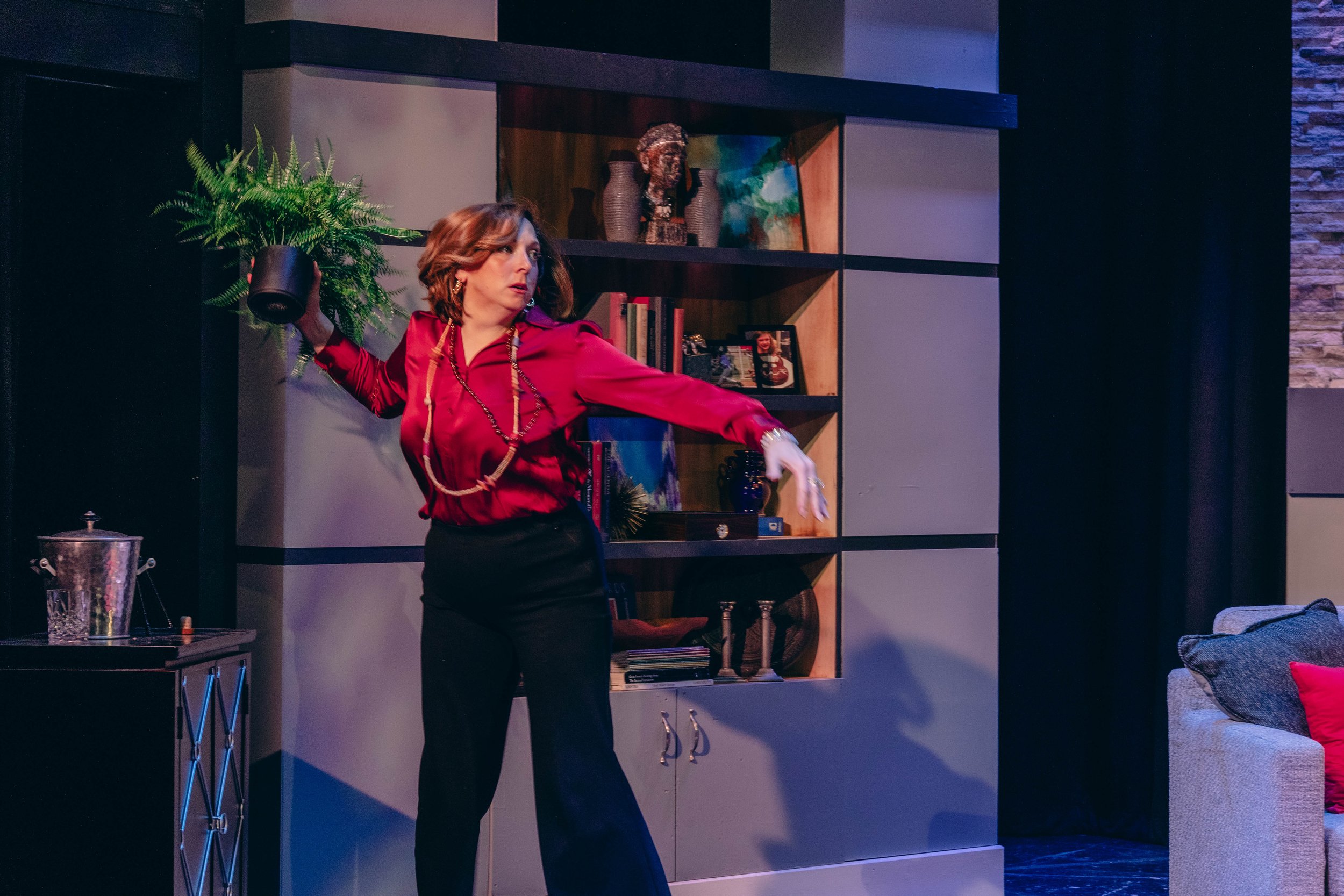
The closing performance of God of Carnage fell on Easter Sunday. An odd choice for a dark comedy, and a very unusual Easter celebration for our family. We went to church in the morning, and then instead of heading on to brunch, I drove to the theatre and prepared to embody Annette Raleigh in one final matinee.
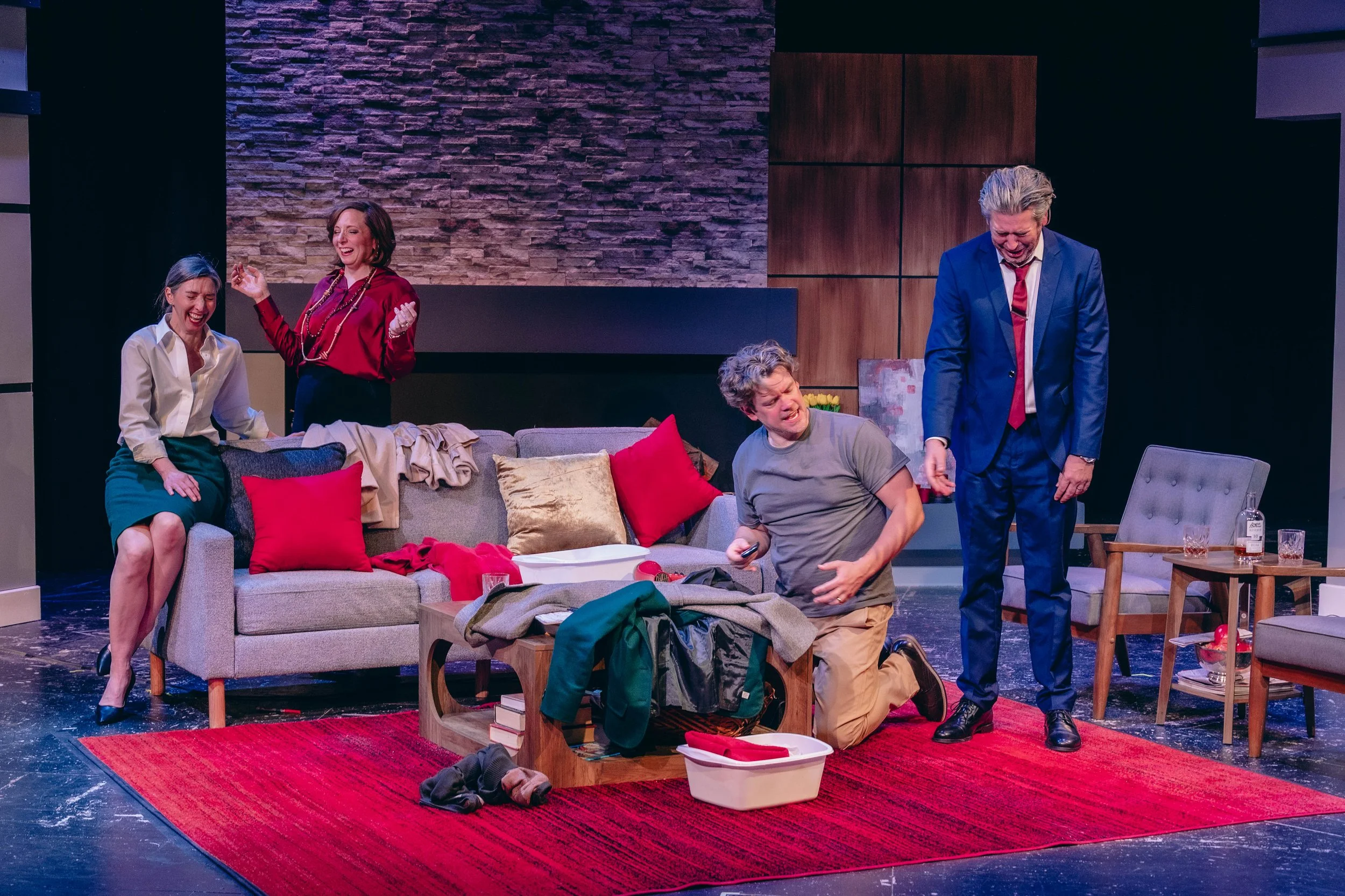
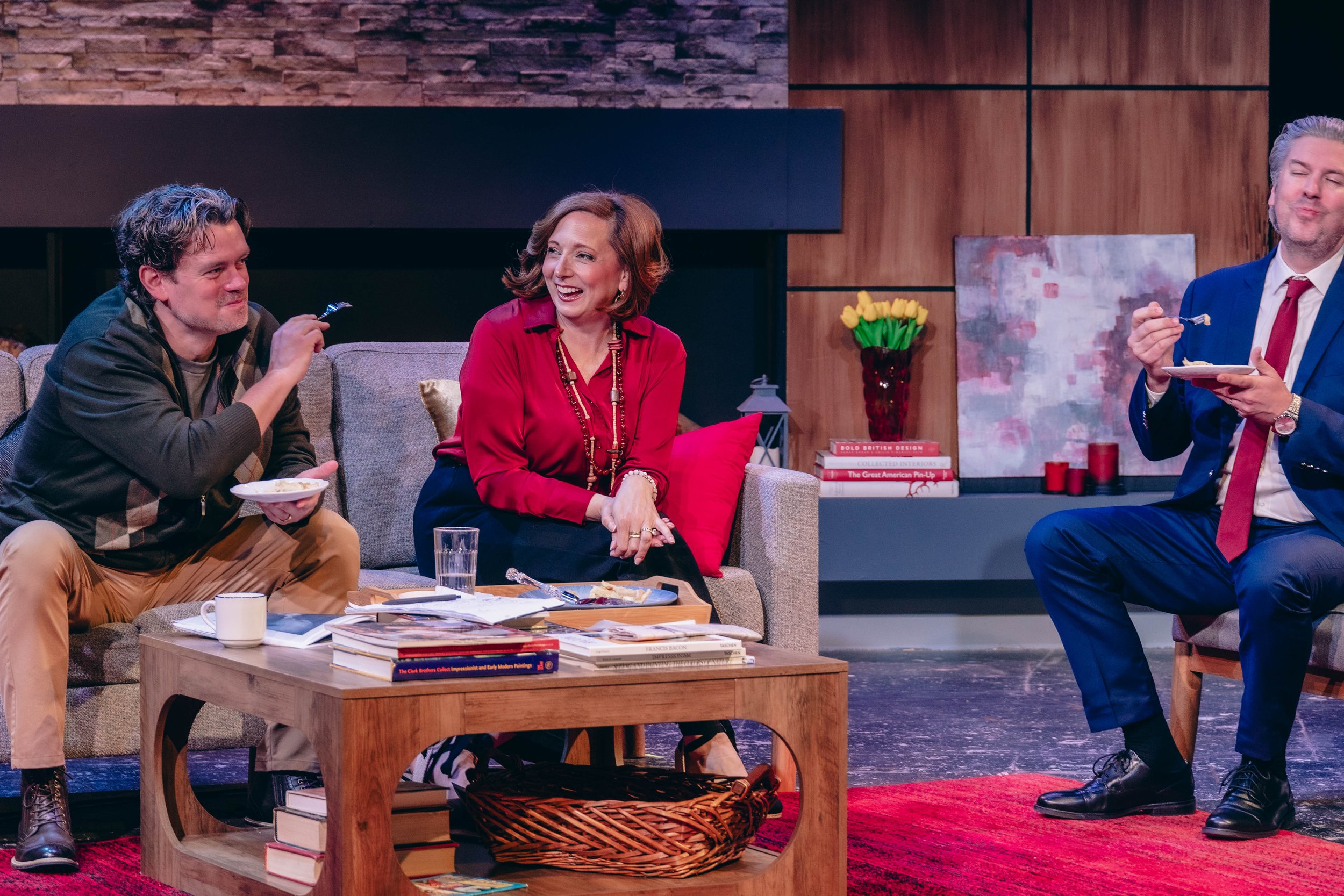
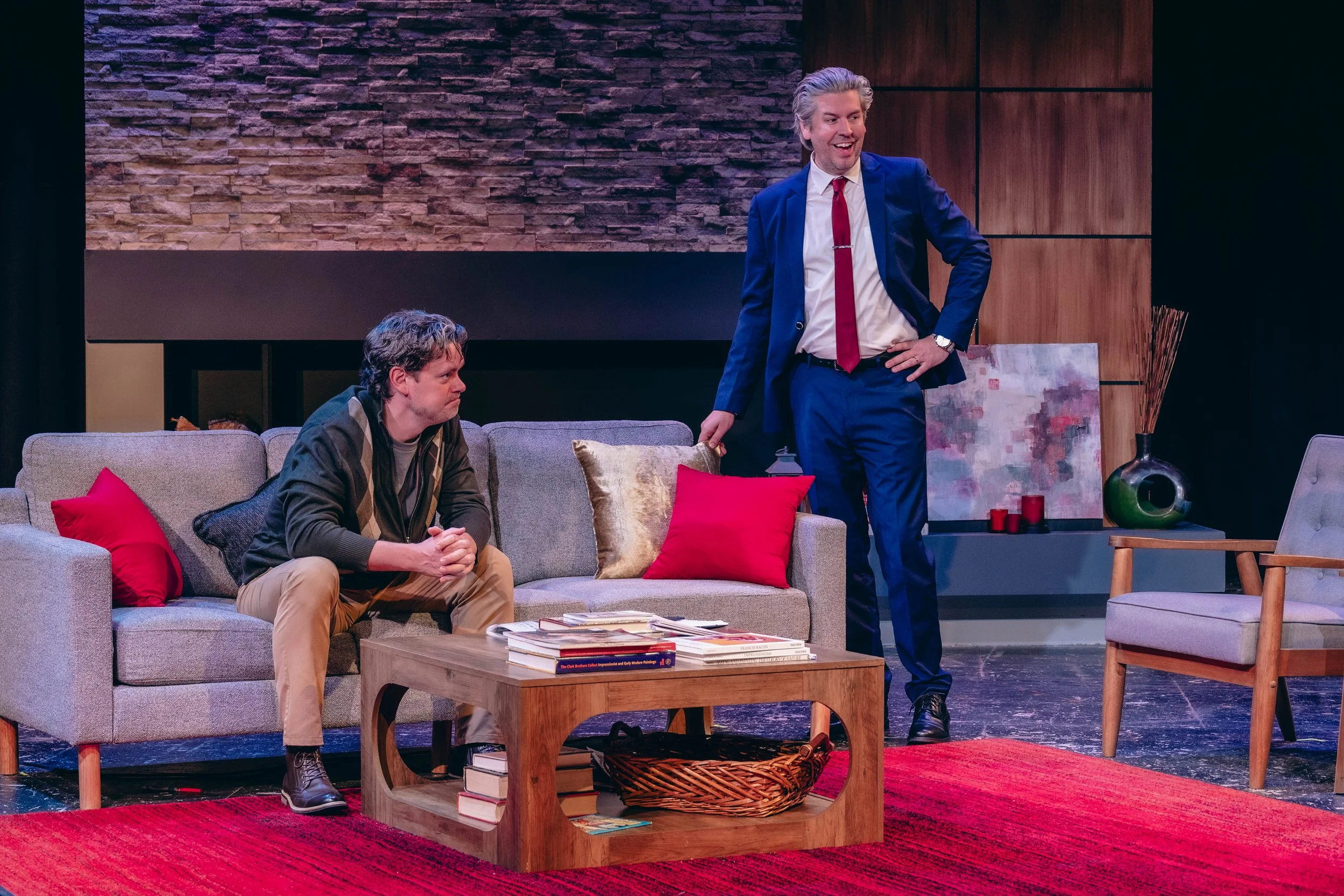
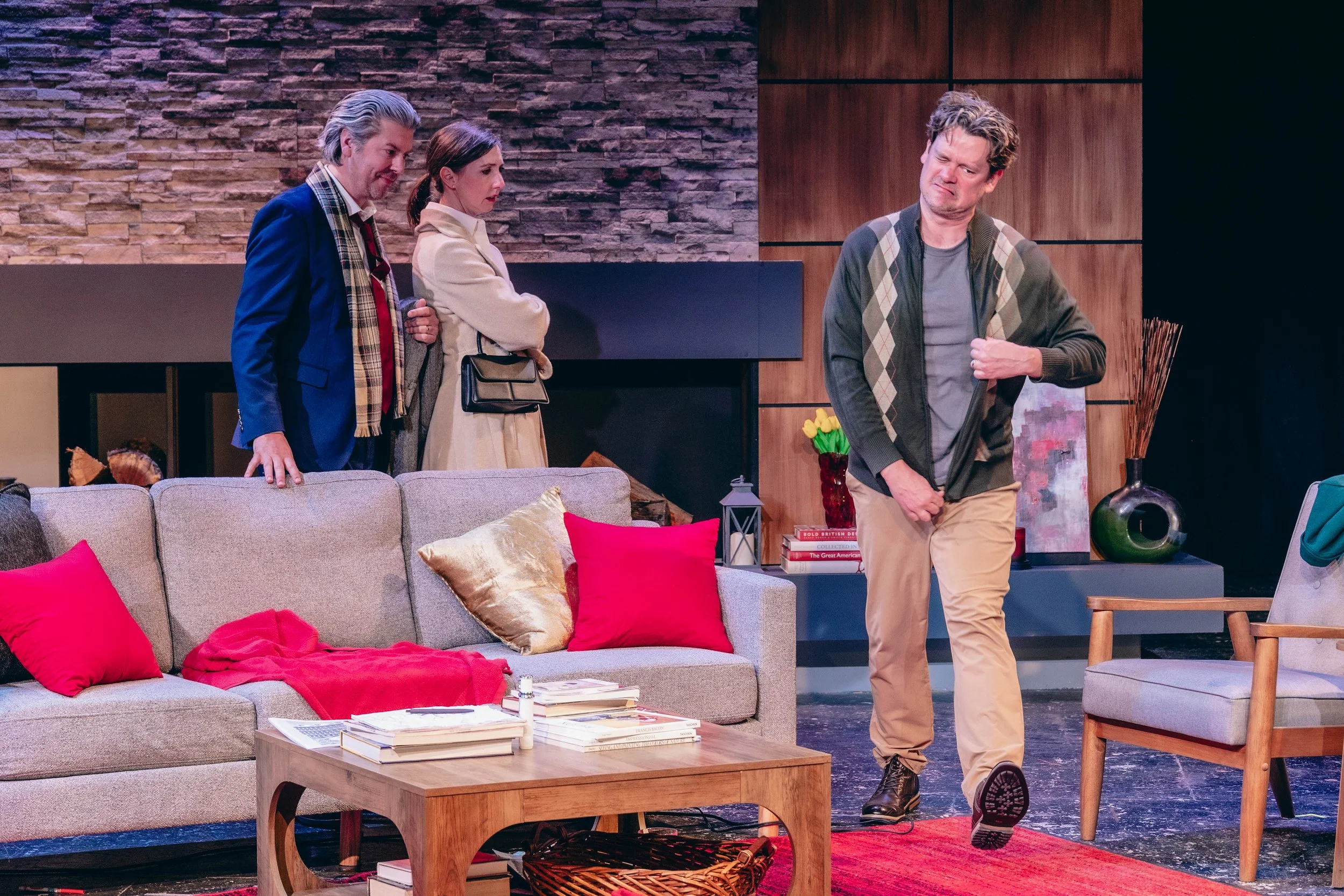
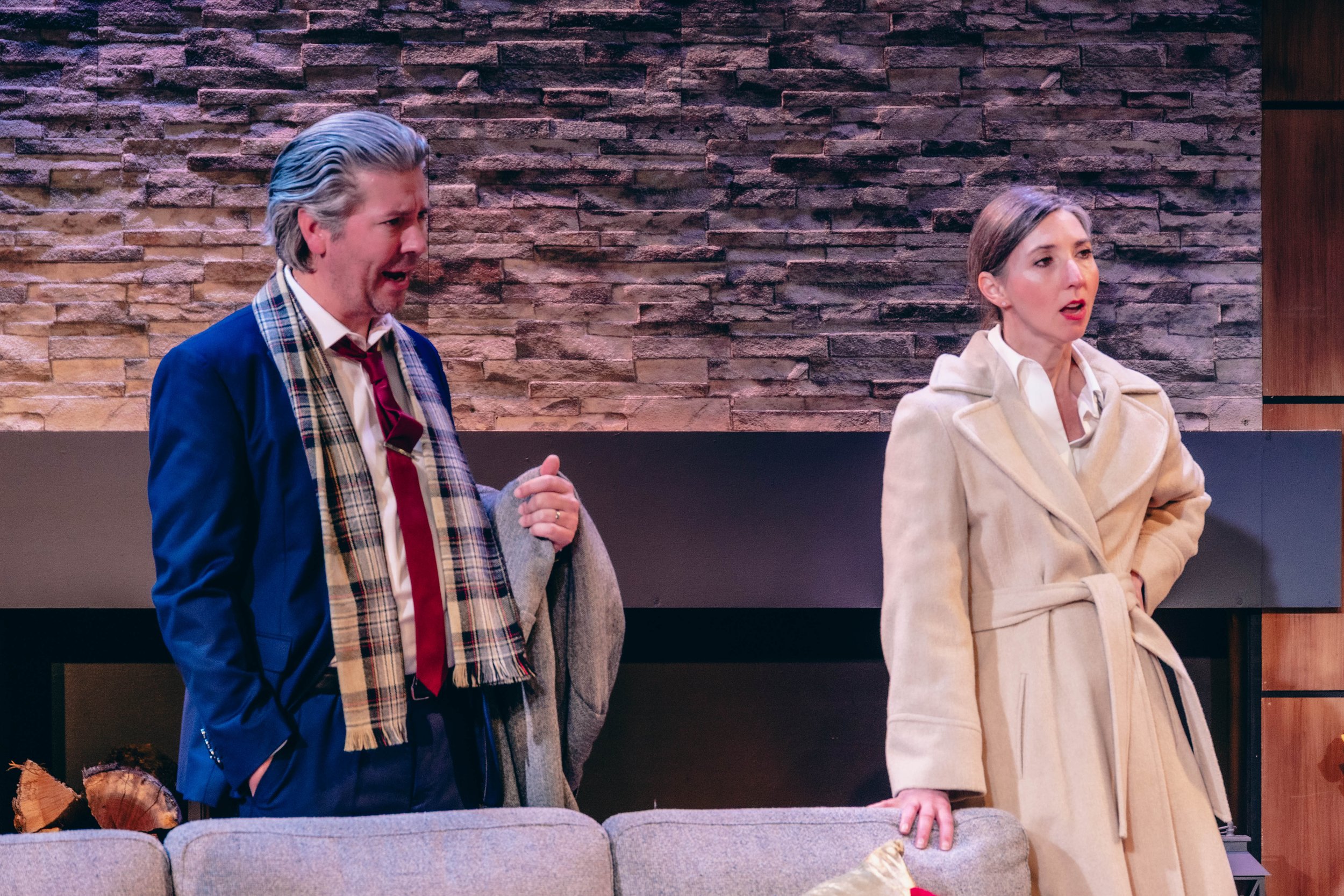
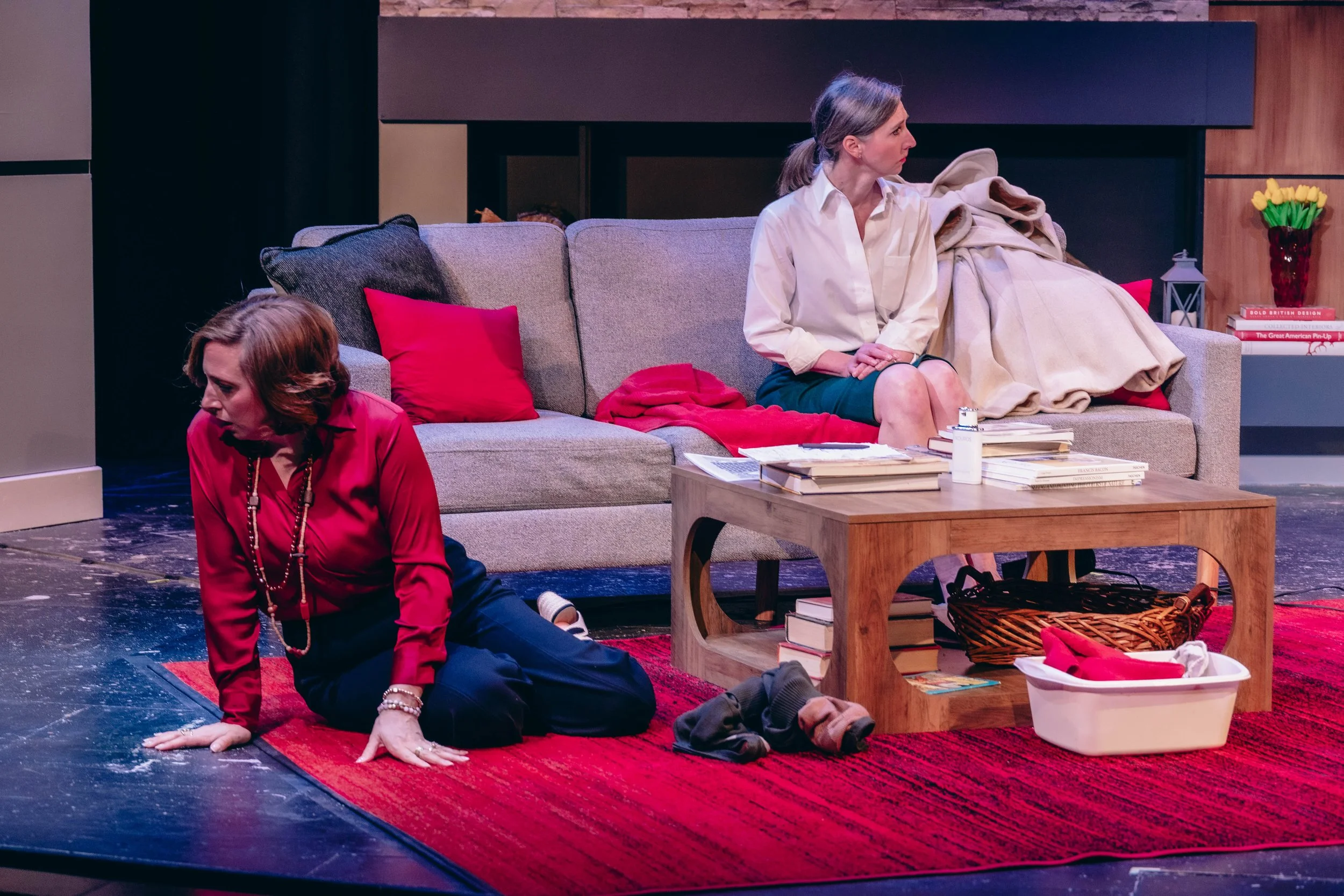
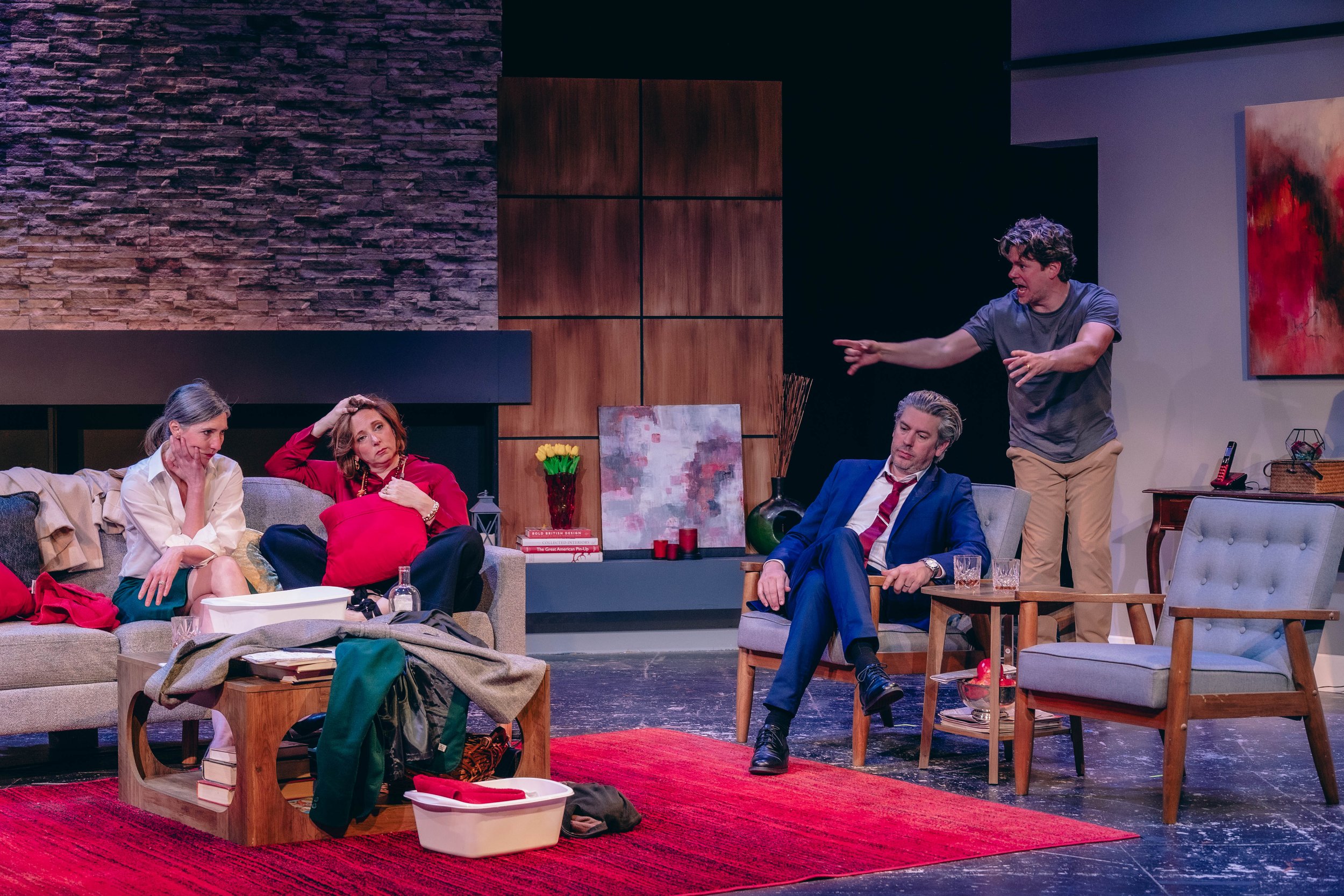
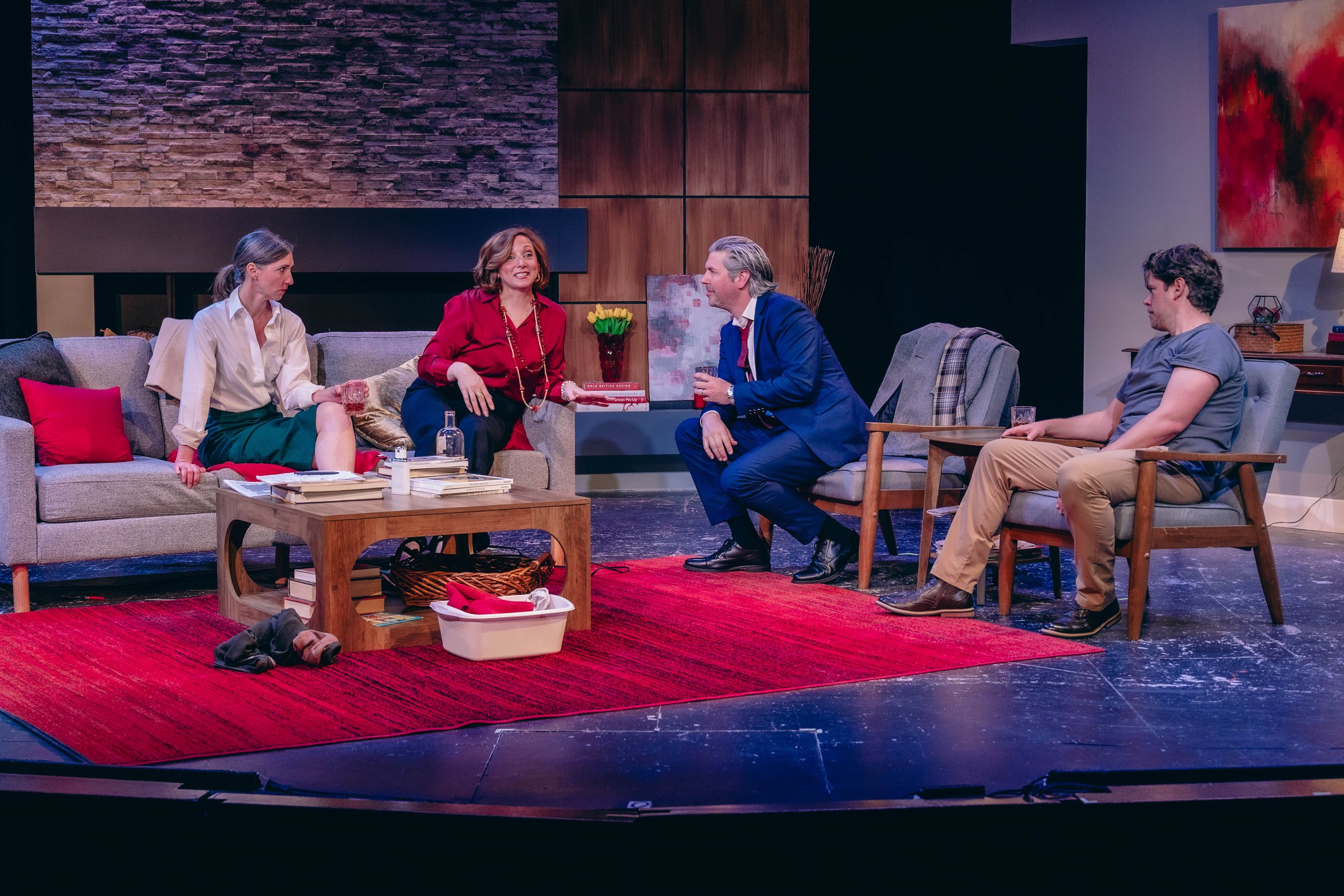
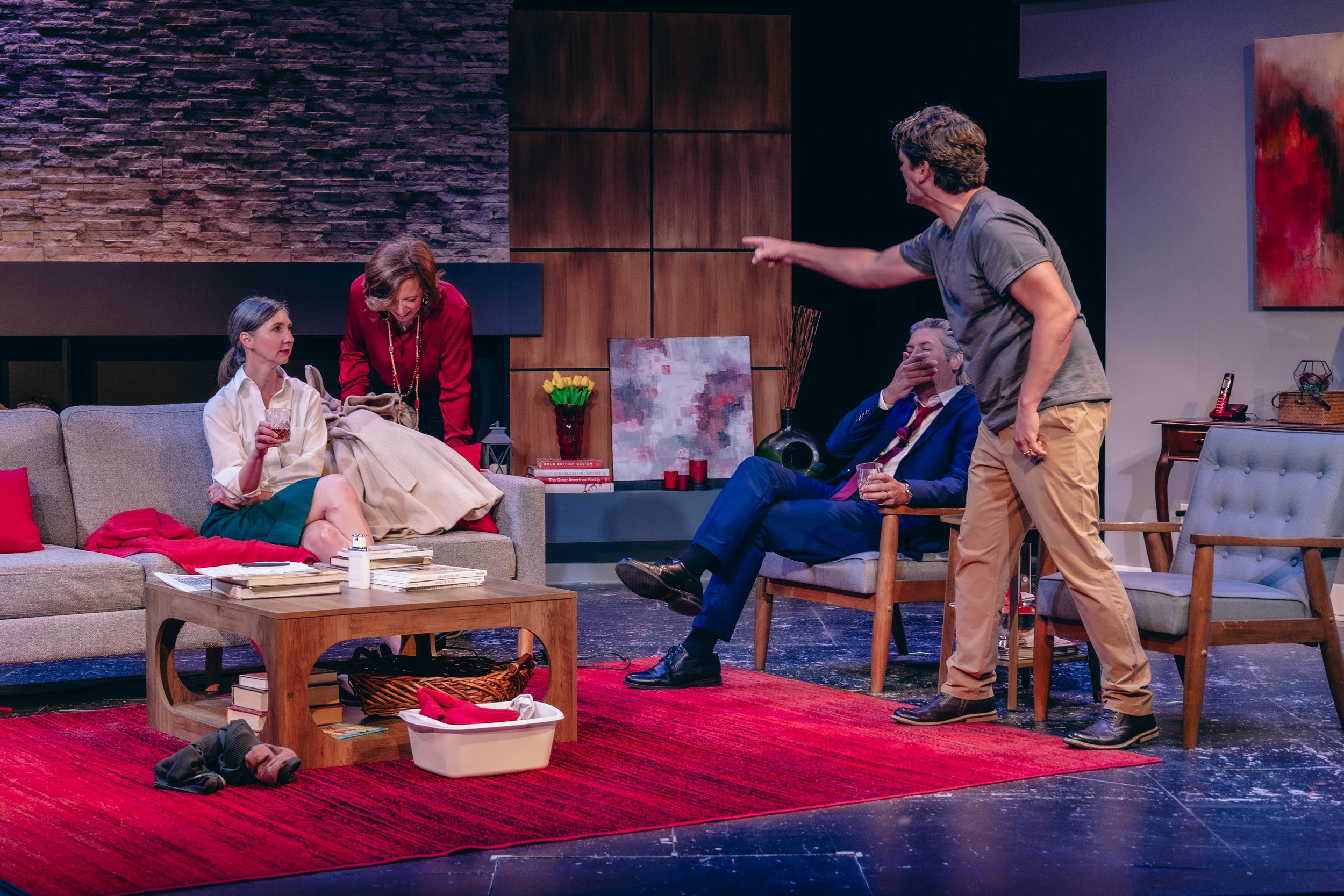
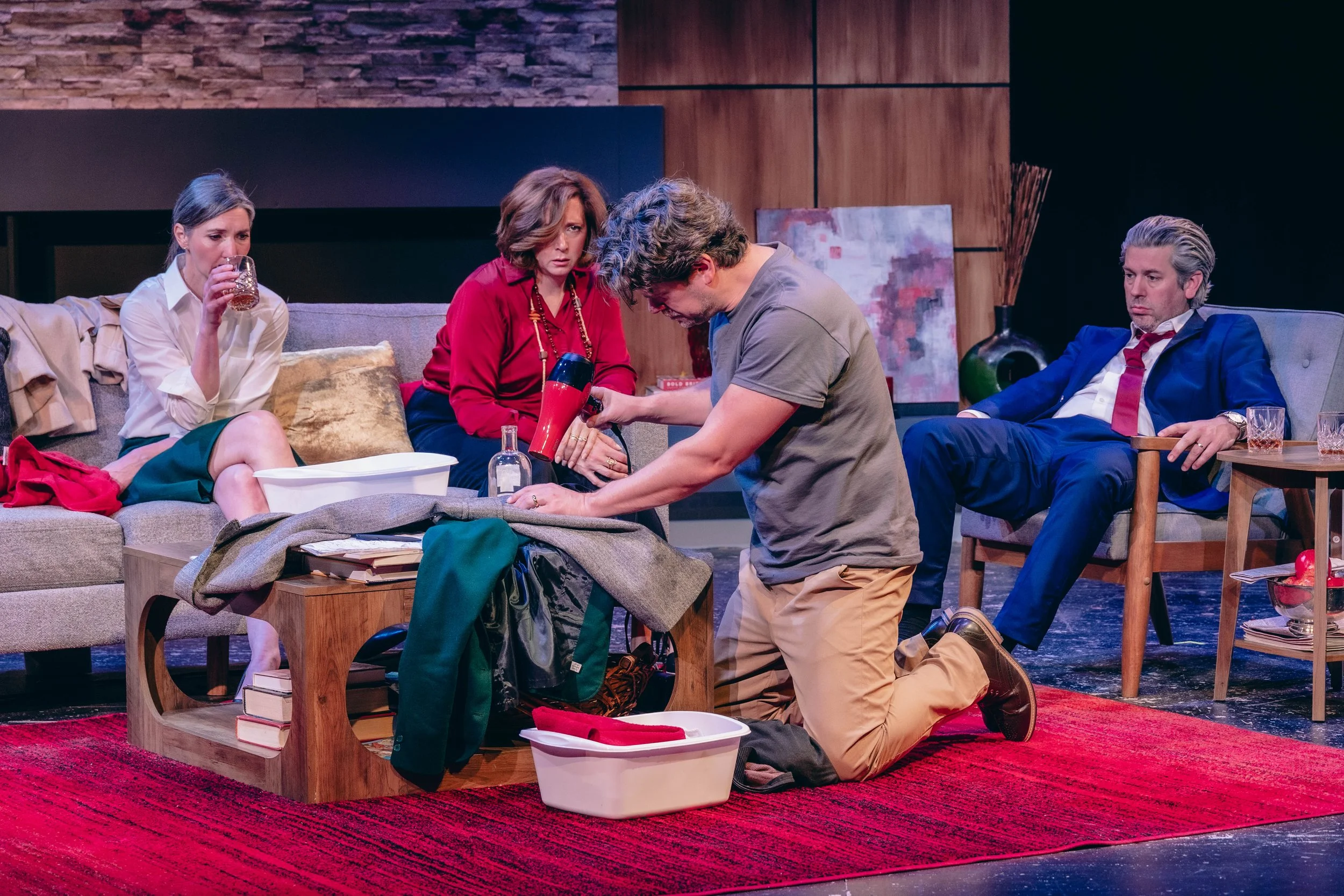
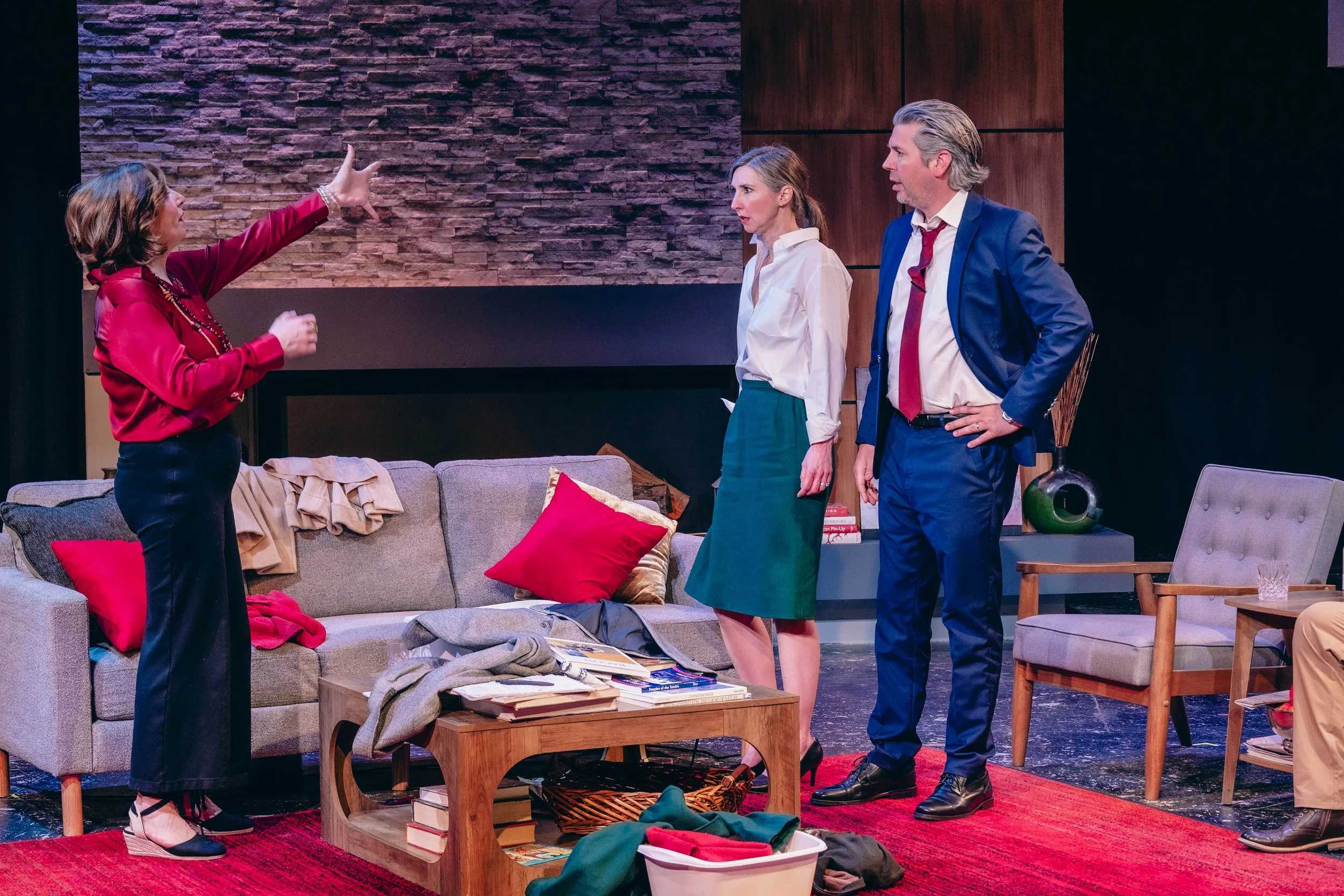
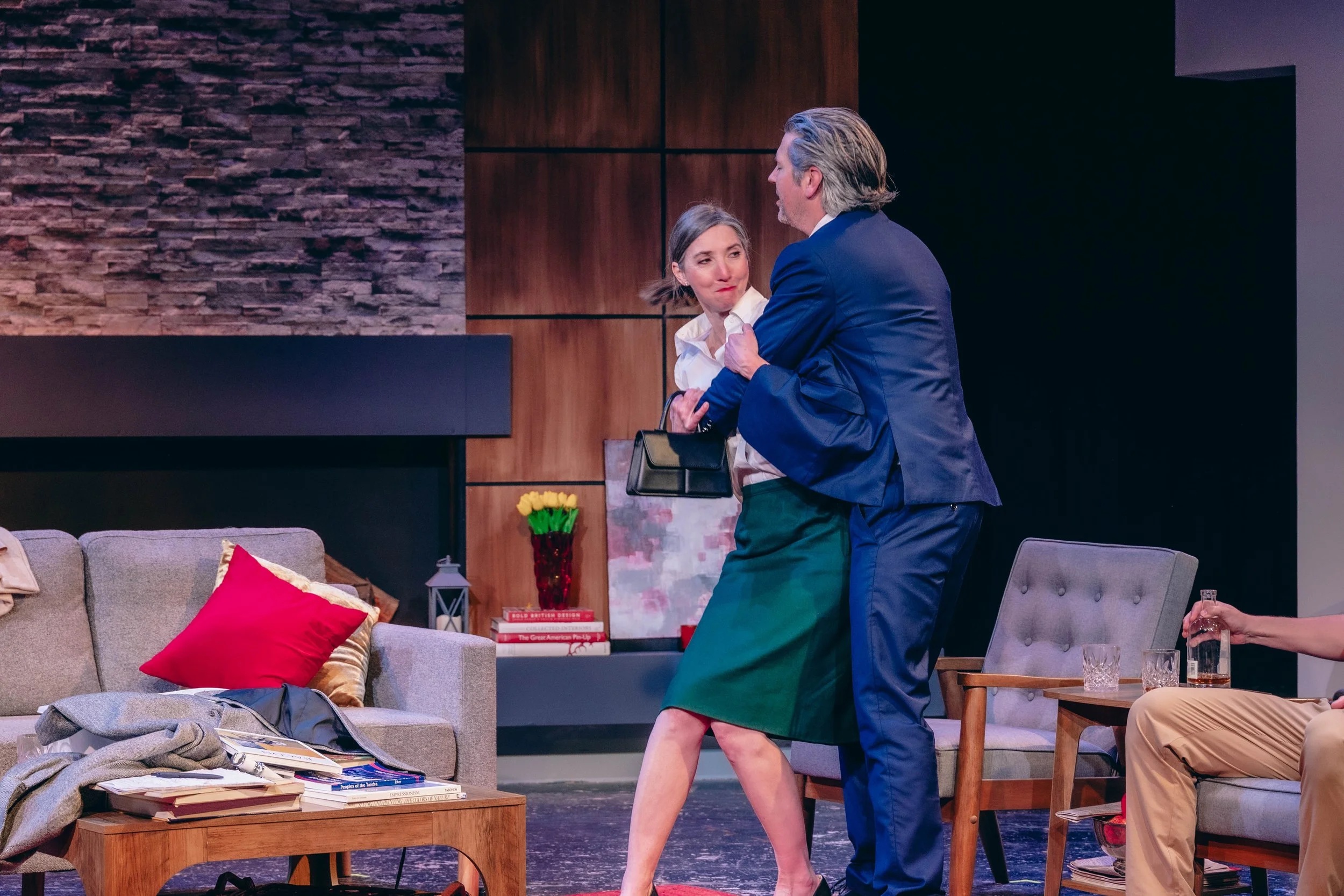
L to R: Aimee Thomas (Annette Raleigh), Jenn Grabenstetter (Veronica Novak), Paul Riley (Alan Raleigh) and Brandon Samples (Michael Novak) In Theatre Charlotte’s God of Carnage, directed by Brian LaFontaine
It felt wrong, going to the theatre instead of spending the day with my family and friends.
At church, I watched the time. Calculated when the service was likely to end. When we’d get back home after navigating a bigger than usual congregation. How long I’d need to grab a bite to eat before running out the door and, through all that calculating, still tried to look – act – like I was fully invested in celebrating Easter.
“Fear doesn’t go away when we try to manage it. It adapts. It becomes the water that we swim in. And slowly, without noticing, we begin to make decisions from inside of it.”
And then the rector of our church, Chip Edens, began his sermon, entitled “How to Fear Less.” And while most of the time, when I hear a sermon, I process “shoulds” or “coulds,” – I should try that, I should do that, I could see if that helps…this time, I was able to say I did.
I loved people I might lose. I committed to something I might fail at. I hoped for outcomes I couldn’t control. I lived courageously. And the result was, dramatically but also in line with the Easter theme, a reawakening of a dormant passion. A reappearance in my own life.
I’ve copied an excerpt from the sermon below in case it speaks to you, or you can watch it in its entirety here.
“How to Fear Less” by Rector Chip Edens, delivered to Christ Church Charlotte on Easter Sunday, 2026
“Today I want to think with you about how to fear less. Wouldn’t that be wonderful? How to fear less – not necessarily how to live completely without fear, but how to live in such a way that fear has less control over our lives.
Most of us, when we think about fear, we sort of do the reasonable thing. We think the way to deal with fear is to manage it. So we brace. We build systems and safeguards and contingency plans. And the braced life can look like wisdom.
But I want to suggest to you this morning that there’s another way to live. Not, again, without fear. But to live a bit more courageously. And the difference between those two things is what Easter is all about.
Now the fear I want you to think about this morning is not the particular kind of fear that comes that makes the news…it’s not necessarily a specific threat that you’re experiencing. It’s a bit more, if I may say, ambient than that. It’s the sort of low hum…beneath the ordinary life. Sort of that vague sense that when you lie awake at you know my favorite hour, which is 2:34 a.m., or 1:43, that feeling that things could actually unravel in spite of all the kind of careful arrangements that we’ve made in our mind, that we’ve sort of put in place to prevent that from happening.
We ensure everything, we secure everything, we optimize everything to avoid all the worst case scenarios…
We have built effectively, not really realizing it, at a subconscious level, we have built a fortress that we cannot enter. We are, as a civilization I think, pretty exhausted by protecting ourselves, and still after all of it we don’t feel safe or satisfied. Fear doesn’t go away when we try to manage it. It adapts. It becomes the water that we swim in. And slowly, without noticing, we begin to make decisions from inside of it.
What I think that means practically is that we sort of hold back a little. We hedge. We protect. We get very good at, are you ready for this? Being almost present, almost committed, almost yourself. And it’s completely reasonable, it’s a completely reasonable response to a world that’s given us real reasons to be careful, but it’s also a slow way to disappear from your own life.
I think of it as the braced life. The life behind the glass. Genuine life, the kind of life that actually satisfies us, I think, requires something a bit different. It requires a willingness to love people we might lose, to commit to things that we might fail at and to hope for outcomes you cannot control. And that requires courage…
And so I think the question that Easter forces us to ask is where does this kind of courage come from? Because willpower alone will not sustain it. And this is what faith is all about. This is what Easter is about. This is what the power of the resurrection is about. It’s not about magic. It’s not about spectacle. It is about the claim that death and the fear of death that governs so much of our ordinary lives doesn’t have to have the final word…”